When Chuck Hull invented stereolithography (SLA), he introduced more than a new method for producing polymer parts. He helped establish a fundamentally different manufacturing architecture: converting three-dimensional digital data directly into physical geometry through an additive, layer-by-layer process.
That principle would ultimately expand far beyond photopolymerization.
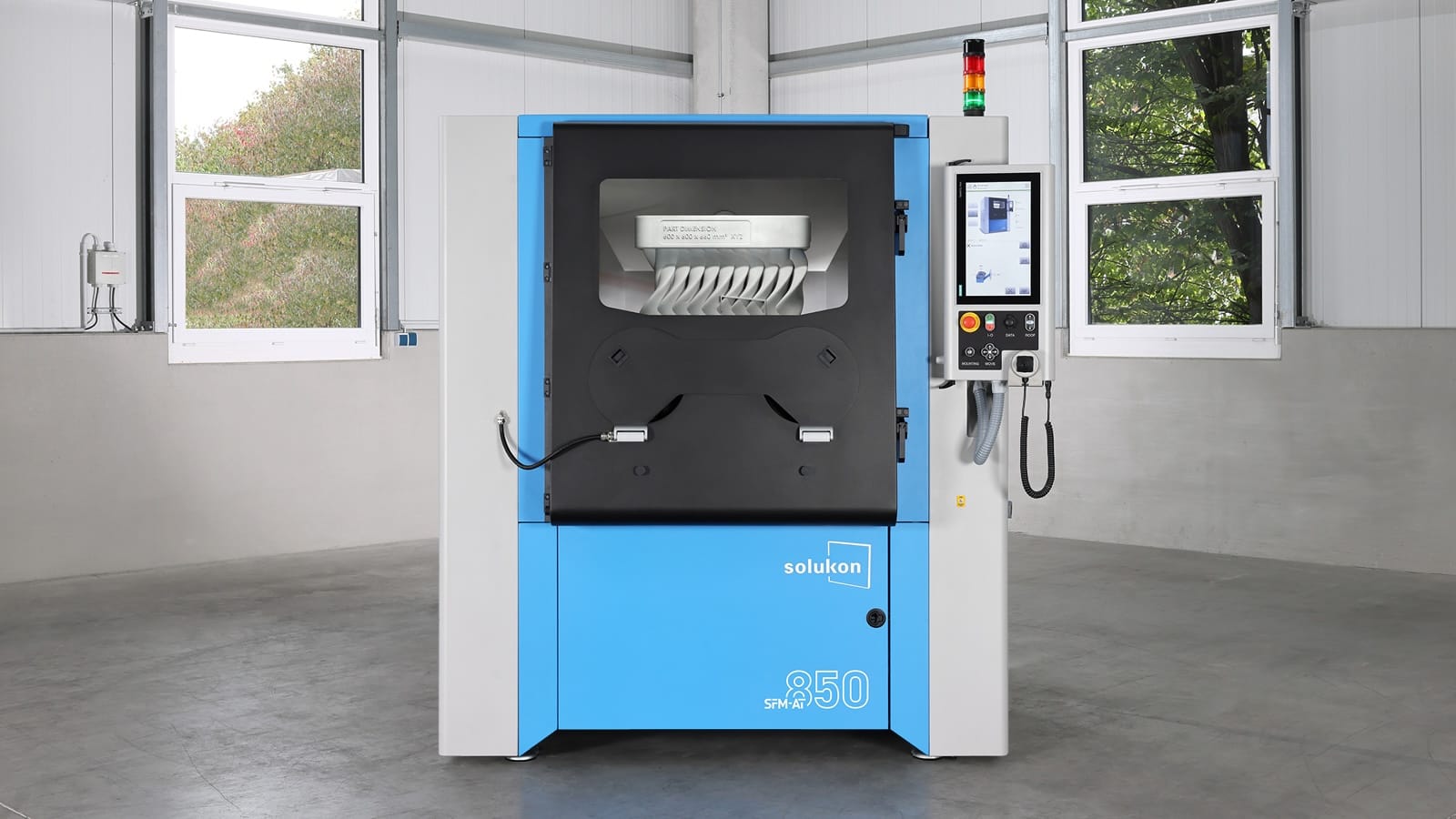
Today, 3D printing encompasses technologies ranging from vat photopolymerization and material jetting to selective laser sintering (SLS) and laser powder bed fusion (LPBF).
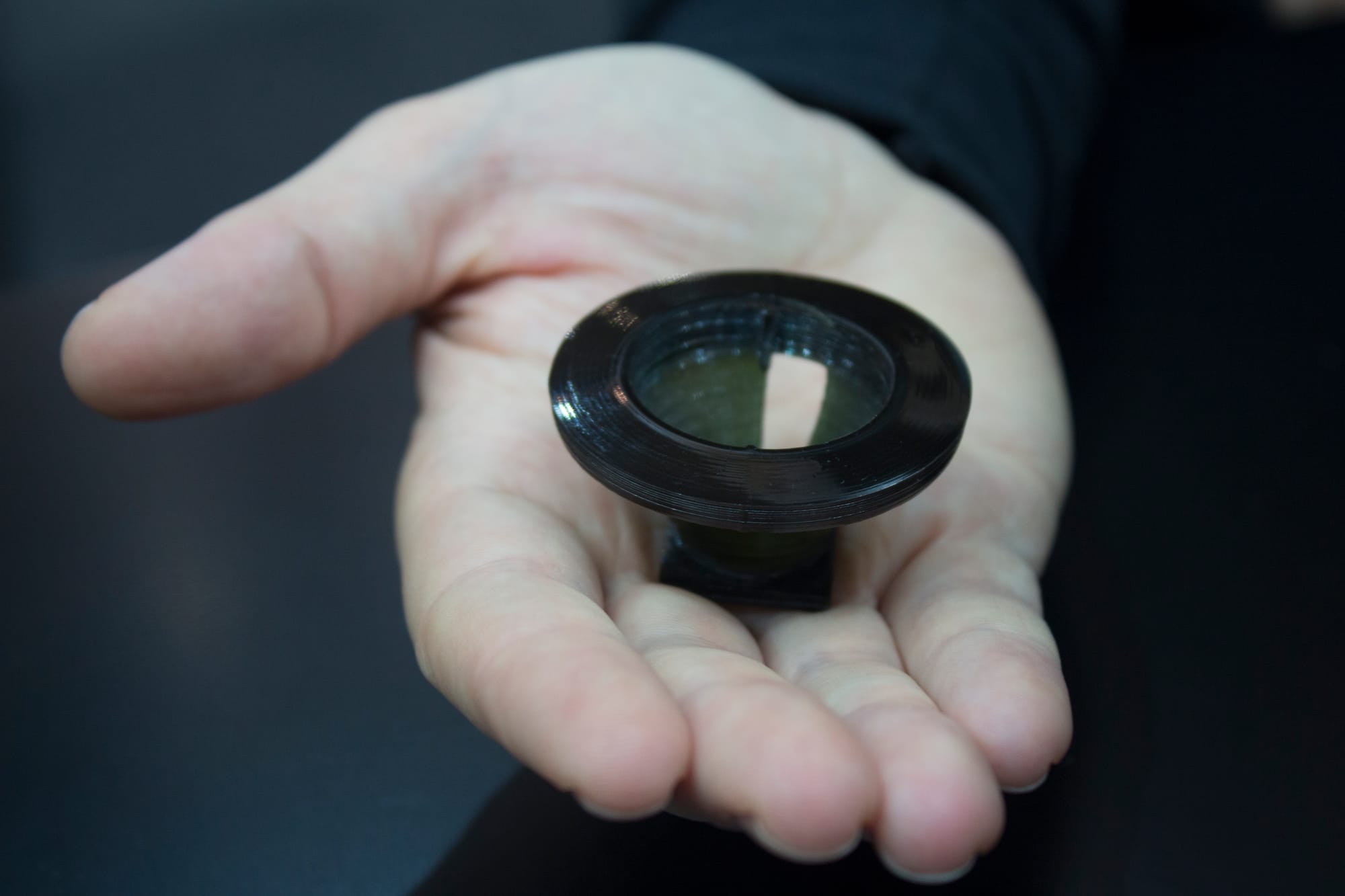
Engineers can process photopolymers, thermoplastics, waxes and high-performance metal alloys to produce everything from prototypes and casting patterns to patient-specific medical devices and flight-ready components. 3D printing has already touched millions of lives, especially in healthcare and dental markets, changed the way satellites are designed, revolutionized how casted parts can be made, and made mass-custom manufacturing possible.
Yet the industry's most consequential transformation may still lie ahead.
The next phase of additive manufacturing will not be defined simply by faster 3D printers or larger build volumes. It will be defined by the maturation of additive into a repeatable, validated and increasingly autonomous production methodology.
The Design Question Is Changing
For decades, design for manufacturing has meant designing around process constraints.
Machining requires tool access. Injection molding imposes draft angles, parting lines and tooling considerations. Casting introduces its own requirements for molds, cores and downstream processing.
Additive manufacturing changes the design equation because material is selectively placed or consolidated based directly on three-dimensional data.
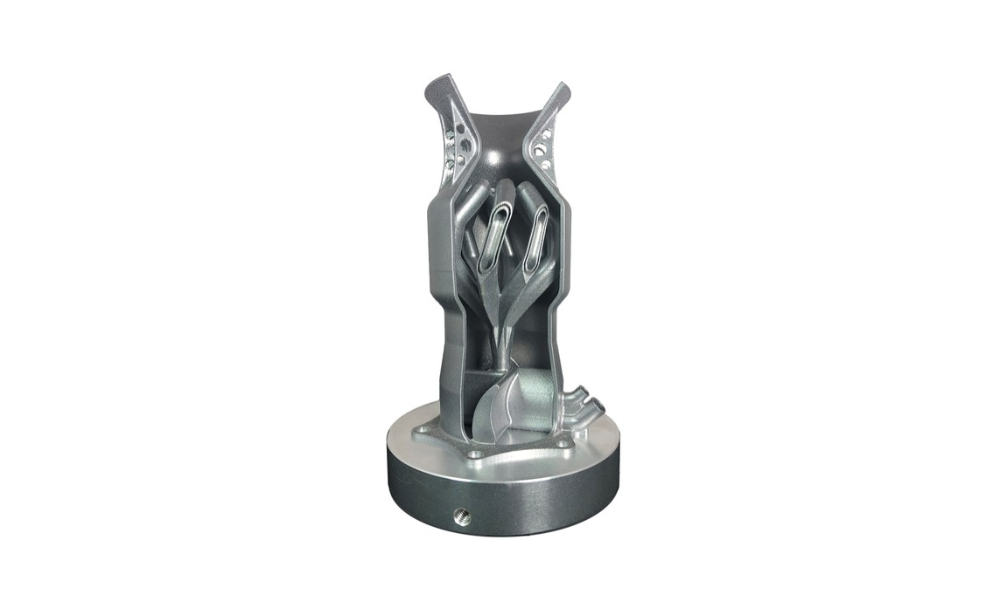
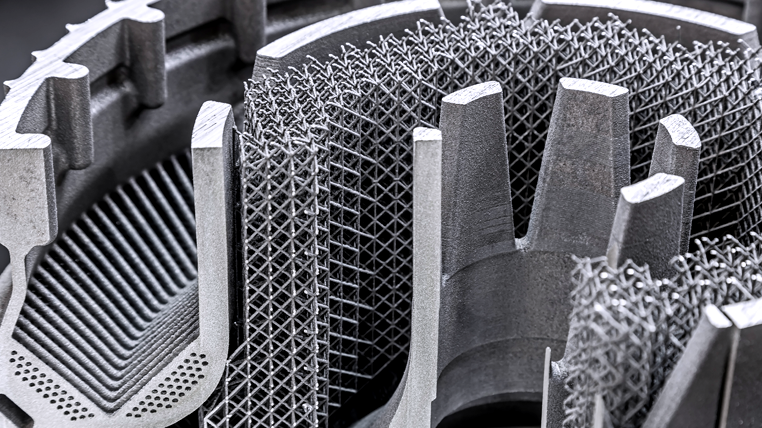
That creates opportunities for topology optimization, lattice structures, internal channels, conformal cooling, lightweighting and part consolidation that can be difficult or impossible to achieve economically through conventional processes.
The objective is therefore evolving beyond simply reproducing a conventionally manufactured component using additive manufacturing.
The more interesting question is:
What would we design differently if conventional manufacturing constraints were no longer the starting point?
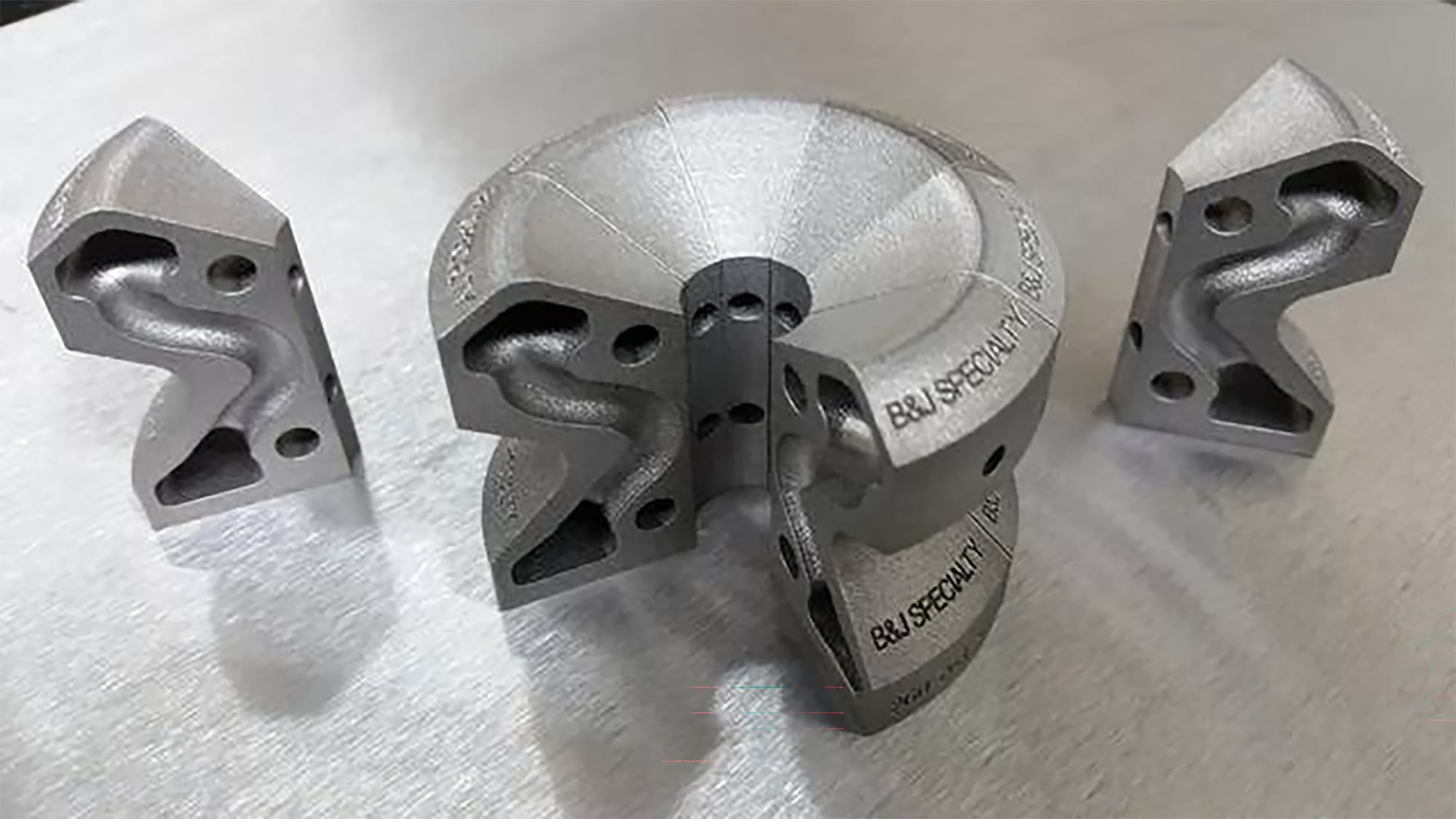
Consider thermal management. Instead of drilling straight cooling channels into tooling or assembling multiple components to create a complex fluid path, additive manufacturing can enable conformal channels engineered to follow the geometry of the component itself.
Similar thinking applies to lightweight structures. Engineers can remove material from low-load regions, integrate lattice architectures and consolidate assemblies while maintaining functional requirements.
The resulting component isn't just manufactured differently. Its geometry can be fundamentally re-engineered around performance.
From Geometry to Materials and Microstructure
As additive manufacturing moves deeper into production environments, geometric capability alone becomes insufficient.
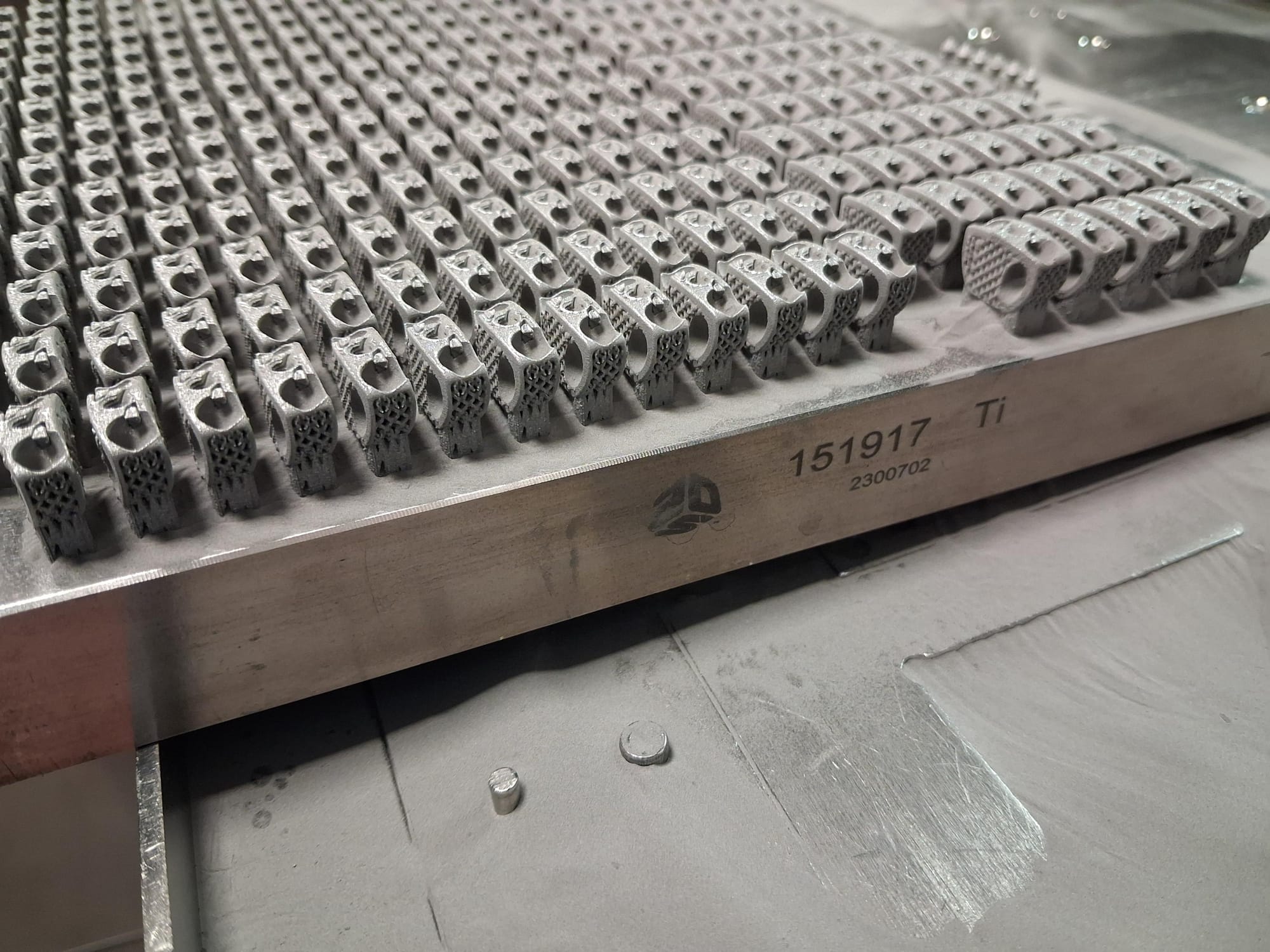
The real engineering challenge becomes control.
In metal additive manufacturing processes such as LPBF, there is a relationship between powder characteristics, laser parameters, scan strategy, thermal history, build environment and the microstructure and mechanical properties of the resulting component.
For demanding applications, the conversation therefore extends beyond whether a 3D printer can produce the geometry.
Manufacturers need to understand whether the complete process can repeatedly produce acceptable results.
That brings process characterization, parameter control, material traceability, dimensional verification, mechanical testing and qualification to the center of the additive manufacturing conversation.
It also explains why the future of industrial additive manufacturing will increasingly be defined by the interaction between hardware, materials, software and process knowledge, rather than machines operating as isolated pieces of capital equipment.
Closing the Loop Between Design, Process and Inspection
Digital manufacturing creates another potentially important evolution: a tighter connection between how a component is designed, how it is manufactured and how its quality is evaluated.
Simulation can help engineers anticipate thermal behavior, distortion or support requirements before committing a build to the machine. Process monitoring can provide data about what occurs during manufacturing. Metrology and inspection provide another layer of information about the resulting component.
The long-term opportunity is to connect these disciplines.
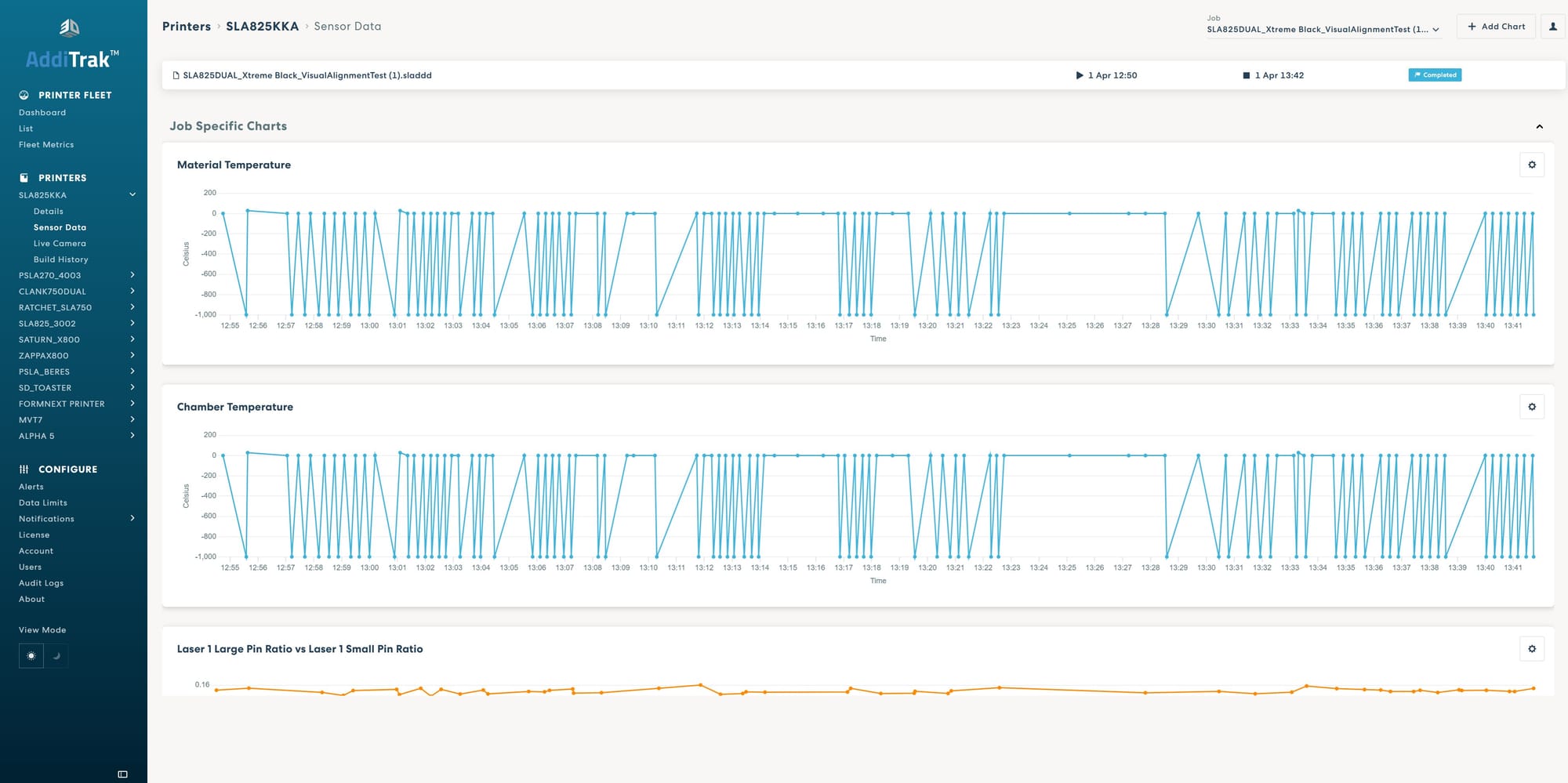
Rather than treating design, manufacturing and inspection as discrete stages, future additive workflows could increasingly operate as a digital thread spanning design intent, build preparation, machine parameters, process data and final-component verification.
That becomes particularly important when manufacturers move beyond development builds toward serial production.
Producing one successful component demonstrates feasibility.
Producing the same component repeatedly, across hundreds or thousands of manufacturing cycles while maintaining defined specifications, represents something different: a controlled production process.
AI Could Change the Economics of Process Development
Artificial intelligence and advanced computational methods could accelerate this transition.
Additive manufacturing generates large amounts of data across geometry, simulation, machine parameters, environmental conditions, process monitoring and inspection. The challenge is transforming that information into engineering decisions.
Machine learning and advanced analytics create the possibility of identifying correlations within process data, improving parameter development and helping engineers detect deviations earlier.
Generative design presents another possibility.
Instead of designing a geometry first and subsequently determining whether it can be manufactured additively, engineers can increasingly incorporate manufacturing constraints, material behavior and performance objectives into computational design workflows.
The destination is not an AI system replacing the engineer. It is a manufacturing environment in which design optimization, process physics and production data become increasingly interconnected, allowing engineers to navigate extremely large design and process spaces more efficiently.
The Digital Inventory Could Become as Important as the Physical One
Perhaps one of additive manufacturing's most disruptive long-term implications has less to do with the 3D printer itself.
It concerns inventory.
Traditional manufacturing often requires organizations to commit resources to tooling, minimum production quantities, warehousing and transportation. Replacement components may have to remain physically available long after the original product was manufactured.
Additive manufacturing creates the potential for a different model.
Instead of maintaining every component as physical inventory, certain qualified parts could potentially exist as controlled digital manufacturing packages containing geometry, material specifications, process parameters and inspection requirements.
Production could then occur when and where demand exists, provided the manufacturing environment and process are appropriately controlled.
For aerospace and defense, energy, transportation and other industries with complex supply chains and long equipment lifecycles, that concept is significant.
The supply chain begins to shift from:
make → transport → warehouse → distribute
toward:
validate → store digitally → manufacture when required.
The printer becomes one node within a much larger digital manufacturing infrastructure.
Additive Manufacturing Becomes a Production System
This evolution also changes how the industry defines an additive manufacturing platform.
Future production environments will require much more than improvements in layer speed.
Automation, process monitoring, software integration, material management, post-processing, traceability, fleet management and quality assurance become increasingly significant as organizations move from individual machines toward distributed production capacity.
The relevant metric consequently shifts.
Instead of asking only how quickly a machine can complete a build, manufacturers must consider overall production economics: machine utilization, yield, repeatability, post-processing requirements, inspection, labor, material efficiency and ultimately cost per qualified part.
That is a considerably higher standard than cost per build.
And it represents the transition from 3D printing as a manufacturing technology to additive manufacturing as an integrated production system.
The Next Breakthrough May Not Be a 3D Printer
That may ultimately be the most important lesson from the technology's evolution.
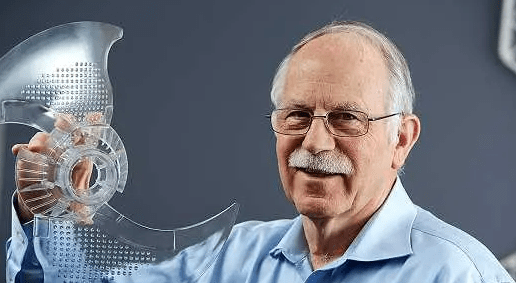
Chuck Hull's invention of SLA demonstrated that digital information could be transformed directly into three-dimensional physical objects through an additive process. It helped establish a technological foundation upon which an entire industry could develop.
Four decades later, the industry is facing a different challenge.
The future is not simply about determining whether increasingly complex parts can be printed.
It is about whether advanced materials, computational design, process simulation, monitoring, automation, inspection and manufacturing data can converge into qualified production workflows capable of delivering consistent outcomes at industrial scale.
And when that happens, perhaps the most important innovation will no longer be the 3D printer itself.
It will be the manufacturing system built around it.
The first era of 3D printing expanded what we could make. The next may fundamentally change how we decide what to make, where to make it and how manufacturing itself is organized.
To find out more of what the future holds, visit 3D Systems at Formnext, Nov 17-20 2026 in Frankfurt, Stand D11 in Hall 11.0
This article was written by Colin Blain, Technical Fellow Advanced Applications Engineer, 3D Systems