ADHD ONE REVISITS THE 1980S BRICK PHONE
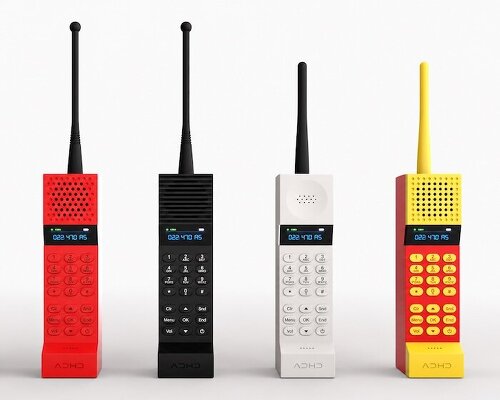
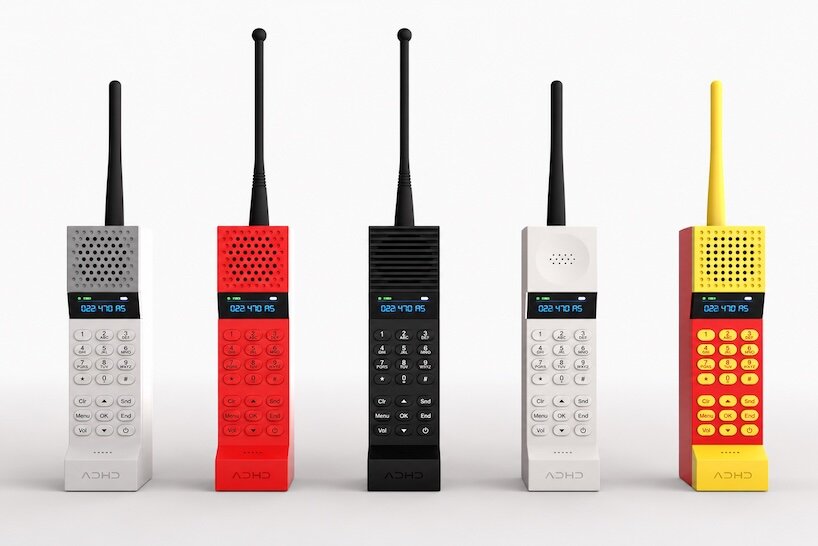
As smartphones become increasingly difficult to put down, Cologne-based designer and maker Kevin Noki has taken a rather unconventional approach to digital detox: building a handset that looks straight out of the 1980s. Named ADHD ONE, short for Anti Distraction Handset Device, the project revisits the oversized brick phones of early mobile communication, complete with a physical keypad, compact display, and unmistakably chunky silhouette. Unlike most contemporary devices, however, its purpose is to offer fewer features rather than more.
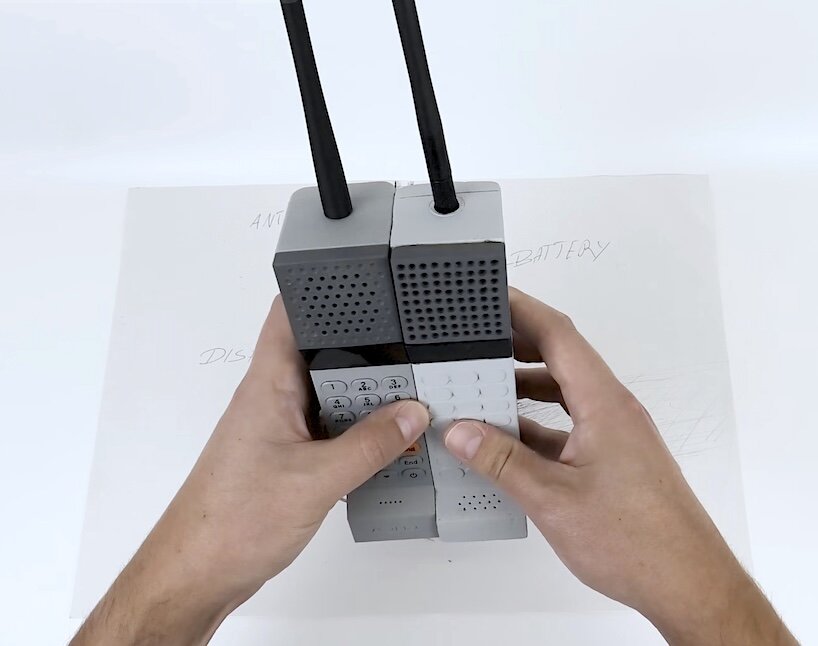
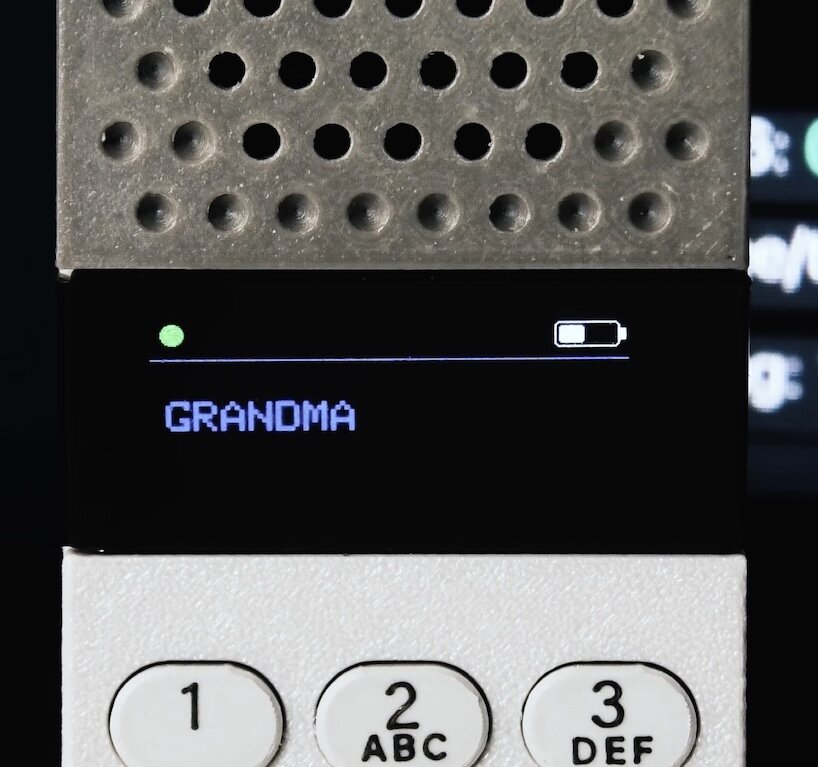
The concept is relatively straightforward. Instead of replacing a smartphone, ADHD ONE connects to an iPhone via Bluetooth, allowing users to receive and answer calls while keeping the original device out of sight. By configuring the iPhone’s Do Not Disturb settings to permit calls from selected contacts, Noki creates a more controlled communication experience. The handset has no independent cellular connection and relies on the paired smartphone to function. In practice, it preserves one of the phone’s most basic purposes without inviting its owner into another endless round of scrolling.
BLUETOOTH TECHNOLOGY MEETS 3D-PRINTED RETRO DESIGN
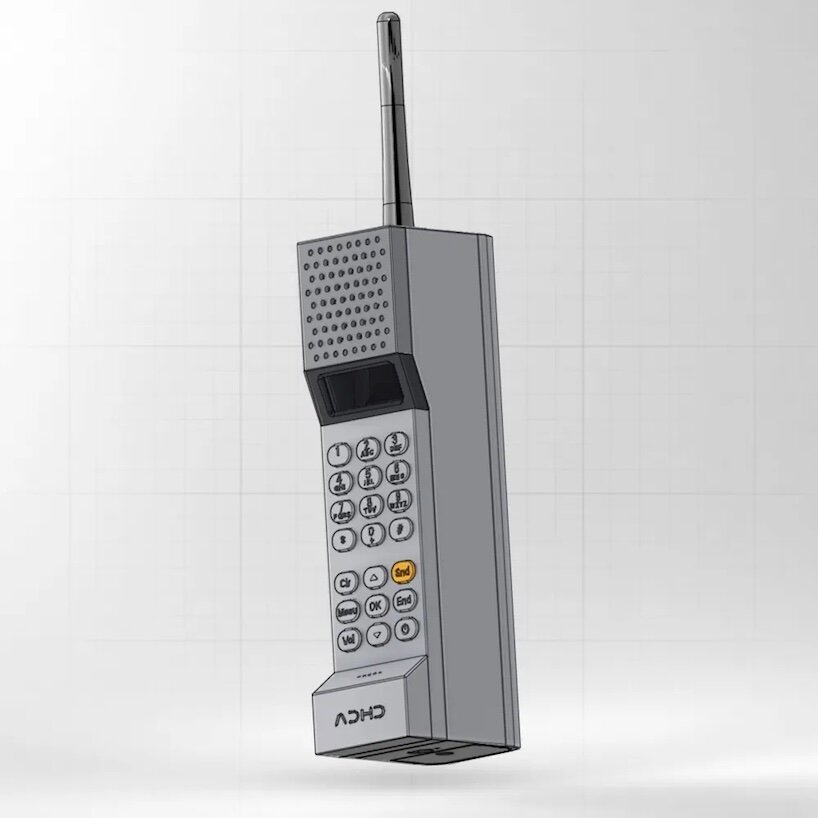
Despite its deliberately outdated appearance, ADHD ONE relies on contemporary electronics. At its core is an FSC-BT1026C Bluetooth module based on Qualcomm’s QCC3024 chip, which uses the Hands-Free Profile (HFP) to transmit call audio between the handset and the connected iPhone. A Raspberry Pi Pico development board manages the device’s functions, while additional components include an OLED display, a microphone, a speaker, a rechargeable lithium battery, and a charging controller. A custom printed circuit board brings the electronics together inside the compact housing.
Kevin Noki designed the enclosure in Autodesk Fusion before producing its components through 3D printing. The housing draws heavily on the visual language of early mobile phones, with substantial proportions, a prominent antenna, and tactile buttons replacing the smooth surfaces of contemporary smartphones. The design incorporates a 19-key keypad and offers several possibilities for customization, including three speaker grille styles (Classic, Holes, and Stripes) and three antenna designs (Retro, Slim, and Screw). An alternative housing even eliminates the antenna entirely, although that arguably takes away some of the brick phone’s charm.
KEVIN NOKI RELEASES DIY FILES FOR HIS RETRO HANDSET
For those interested in building their own version, Noki has made the digital construction files available through his website. The downloadable package includes 3D-printable STL files for the housing, back panels, internal mounting frame, display cover, battery holder, and keypad, alongside ready-to-flash firmware in UF2 format. Gerber and drill files allow users to order the custom PCB from a manufacturer, while a bill of materials and quick start guide provide the necessary references for sourcing components and assembling the device. The package does not include physical parts, editable CAD or PCB files, or the firmware’s source code, and is licensed for personal use only. A separate physical DIY kit is listed on the website but is not yet available.
Ultimately, ADHD ONE occupies an interesting position between nostalgia, experimental product design, and the growing desire for simpler digital experiences. It does not eliminate the smartphone, which must remain within Bluetooth range, nor does it attempt to recreate the independence of an actual 1980s mobile phone. Instead, it rethinks how people physically interact with technology they already own, turning a familiar communication function into a deliberately limited experience. There is a certain irony in designing, printing, and assembling an entirely new electronic device just to avoid using another one. Then again, perhaps that is precisely the point.
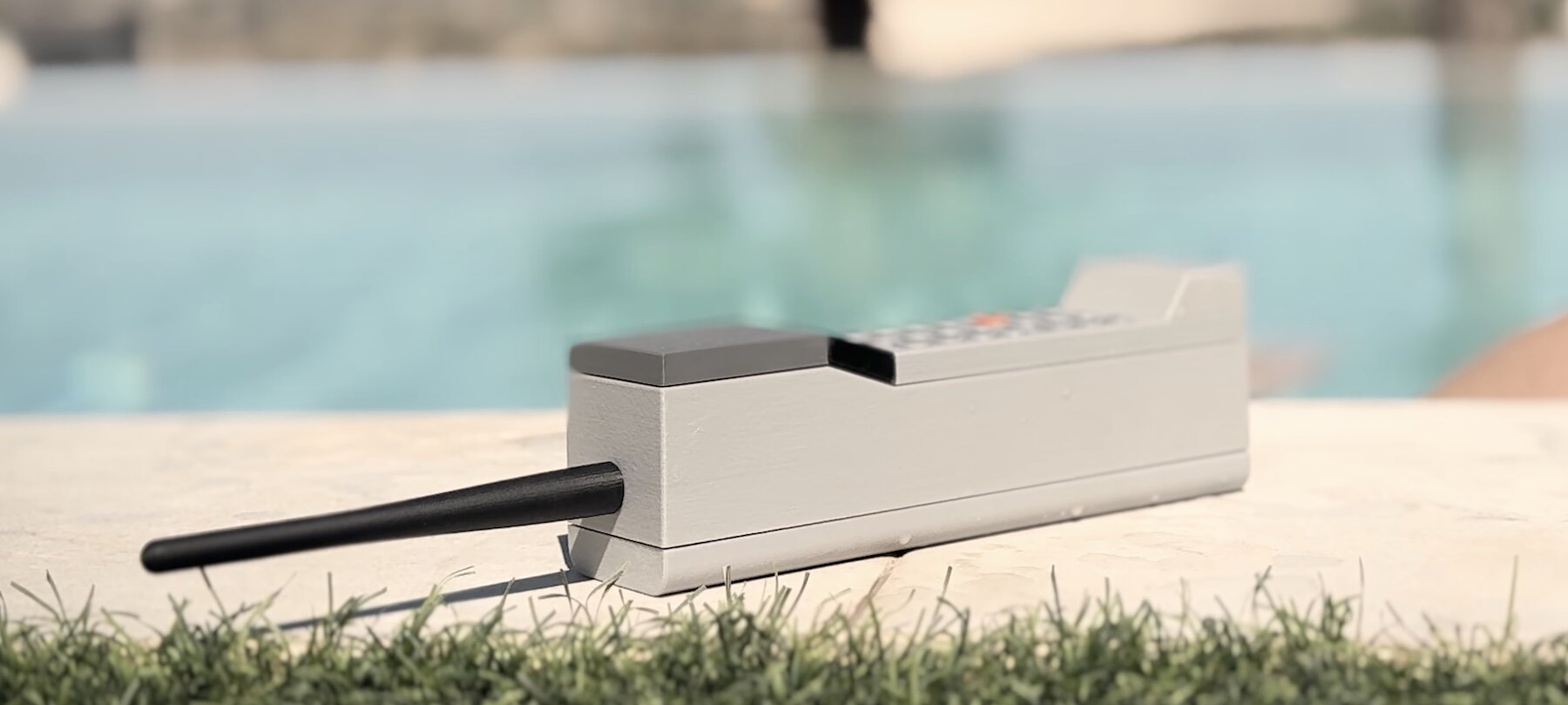
the device connects to an iPhone through Bluetooth
project info:
name: ADHD ONE – Retro Brick Handset
designer: Kevin Noki | @kevinnoki
location: Cologne, Germany
The post 3D-printed brick phone brings back the art of simply answering calls appeared first on designboom | architecture & design magazine.