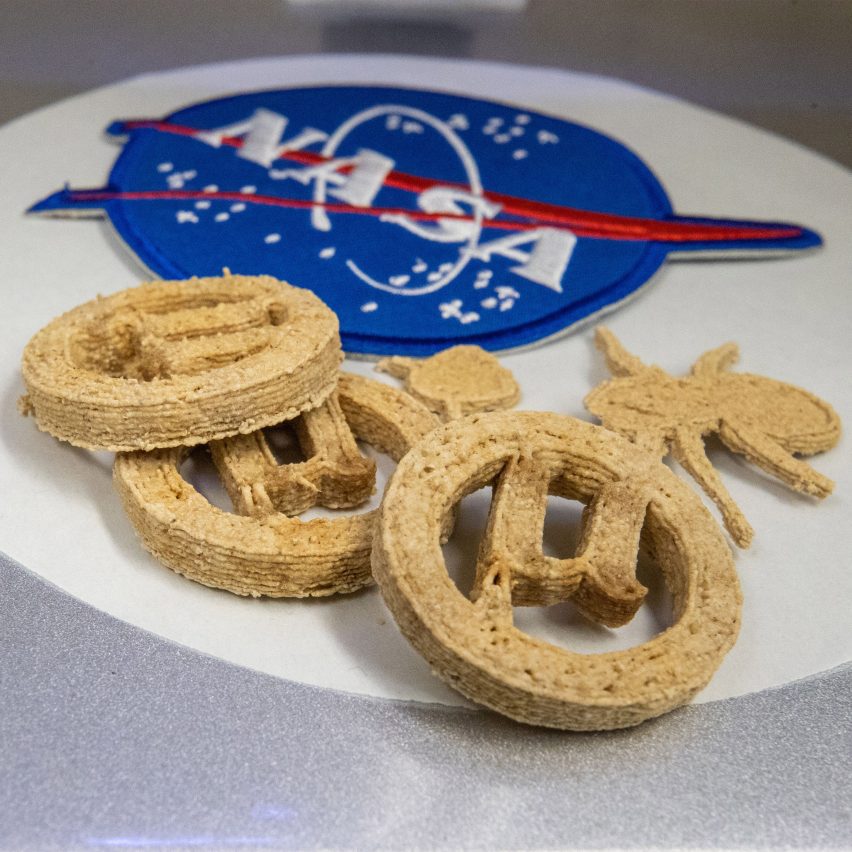
Researchers at Southern Illinois University Carbondale have developed a 3D-printed cookie for space travel, using yeast to transform plastic and agricultural waste into an edible, protein-rich food.
Named µBites, which is pronounced "microbites", the cookies were created for and funded by the NASA Deep Space Food Challenge, which tasks researchers with designing food for the resource-limited environment of deep-space exploration.
Led by Southern Illinois University Carbondale associate professor Lahiru Jayakody, the researchers created µBites by using yeast to turn polyethylene terephthalate (PET) plastic, which is commonly used for drink bottles, into edible ingredients.
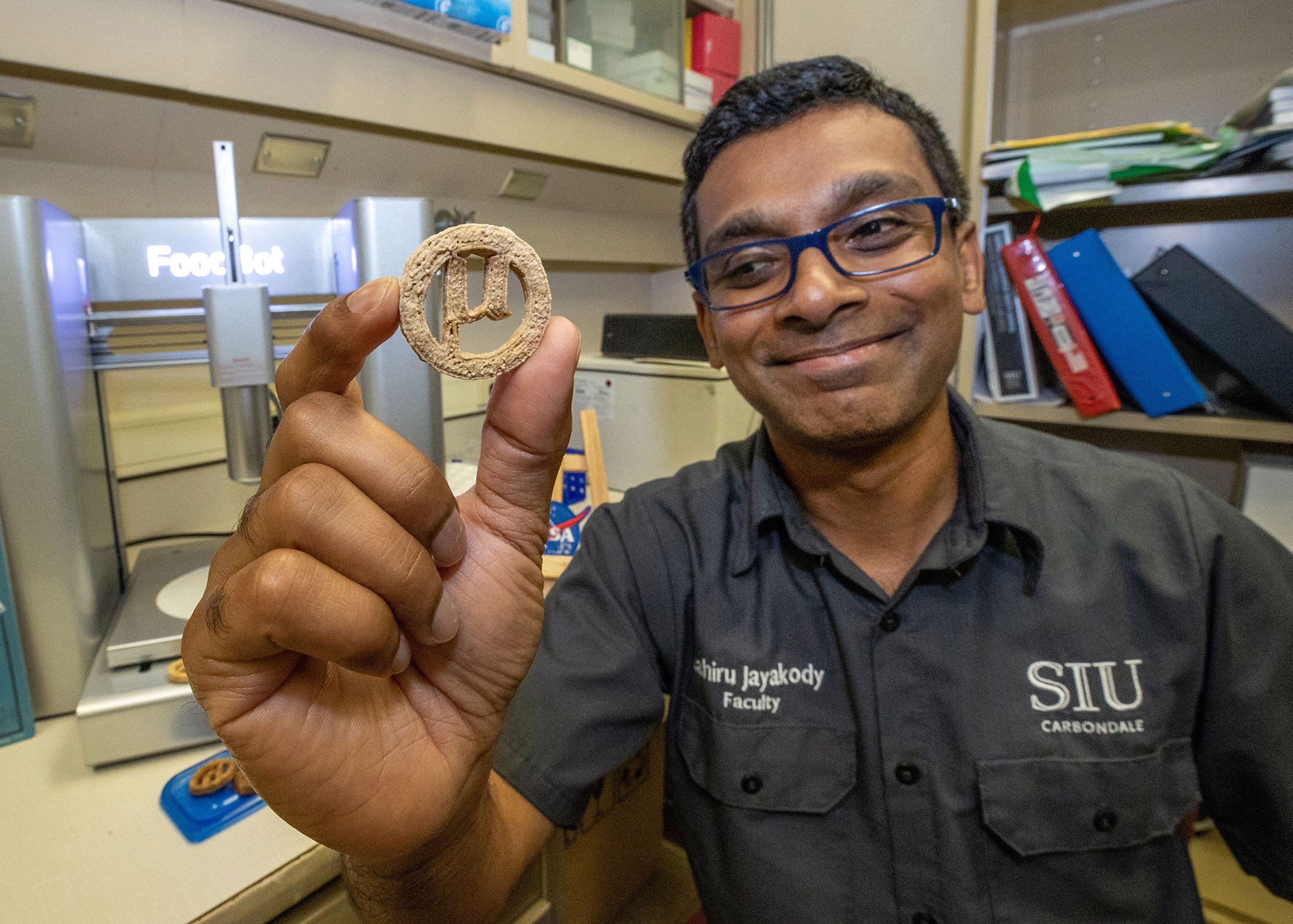
In addition to space travel, the researchers envision the protein-rich cookies being used to address food insecurity and provide food for people in disaster zones.
The project also aims to tackle plastic pollution, using specialised microbes to transform plastic into a useful, edible product.
"We were trying to develop technologies for plastic upcycling to make more valuable products," said Jayakody. "We thought, why not focus on making food? Because plastic is carbon and food is carbon."
To make µBites, PET plastic, discarded corn plant stalks and leaves, and other biomass were put through a process developed at Southern Illinois University Carbondale called oxidative hydrothermal dissolution, which uses water and oxygen at high temperature and pressure to break down the tough material into microbe-accessible pieces.
These pieces were fed to specially designed yeasts, which were programmed to transform them into new food ingredients, creating an edible mixture of proteins, vitamins and flavourings.
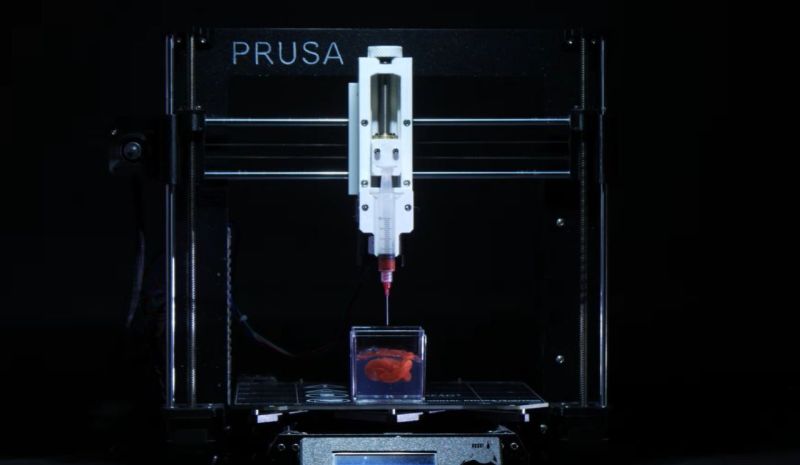
Fibre, starch and sweetener were then added to the mixture, which is extruded through a 3D printer into the cookies. According to the researchers, the cookies are safe to eat, but the team is waiting for institutional approval to carry out taste tests.
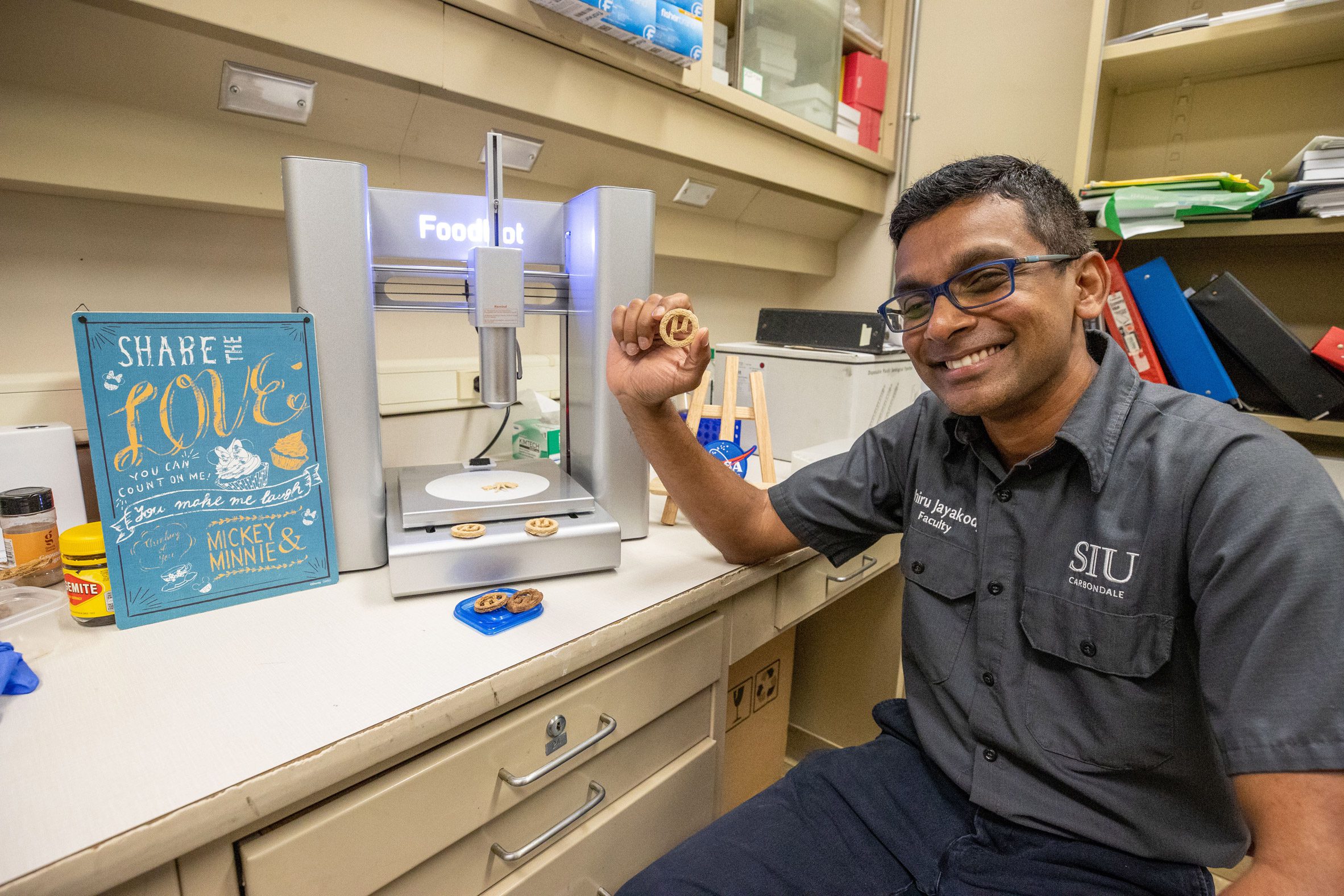
In the future, they hope to develop µBites to the point where yeast creates all the main ingredients, as well as enhanced flavouring and additives.
Currently, they can create vanilla flavouring from plant biomass using baker's yeast, and another yeast strain can turn ethylene glycol in PET into beta-carotene, which the body turns into vitamin A.
The researchers plan to have µBites ready for public consumption in the coming years, intending to use them for extreme environments like submarines or colonies on the moon or Mars.
"We're using microbes to develop the cookie into a more attractive, consumer-friendly product," said Jayasekara.
"Global food demand is expected to rise 35 to 56 per cent by the year 2050, and about 30 per cent of the world population will be at risk of hunger in the future," he continued. "The way to address that, I believe, is by using microbes."
Earlier this year, NASA updated plans for a permanent moon base, announcing that living and working on the moon will become reality after 2032.
The photography is by Russell Bailey of Southern Illinois University Carbondale.
The post NASA-backed research project creates 3D-printed cookies from plastic appeared first on Dezeen.